
Phoenix Chiropractor
for Back Pain Relief
Chiropractic care at 40th St. & Bell Rd. for low back pain, upper back stiffness, and the kind of ache that makes getting out of bed a project.
Back Pain Relief
Back pain is one of the most common reasons people see a chiropractor. In 2019, 39% of U.S. adults said they'd had back pain in the past three months. For some it comes from a desk job. For others it's a lifting injury, an old sports injury, or stiffness that creeps in with age.
Dr. Chris Campo knows how one injury can change the way your whole body moves. His own recovery from a serious ankle injury taught him that, and he looks for that pattern with every back pain patient. The goal is to get you moving comfortably again, then help you keep it that way.
How Dr. Chris Treats Back Pain
Your first visit starts with questions about how the pain began and what makes it worse. Sitting? Bending over? Mornings? The drive home? Then Dr. Chris checks how each part of your back moves to find where things are stuck.
Treatment usually starts with adjustments to free up those joints. Depending on what he finds, he may add spinal decompression for disc-related pain or rehab exercises to build strength around your spine. Many patients notice some relief early on, and the exercises help that relief hold.
Wondering if your symptoms match? See what lower back pain and tightness usually means, or what to do when your back goes out.
When Back Pain Needs More Than Adjustments
Sometimes adjustments help, but the pain keeps flaring up. Inflammation is often part of that. A strained back that stays inflamed tends to tighten up again between visits, and recovery drags on.
That's when Dr. Chris may bring in Meradith McCortney, FNP-BC, our nurse practitioner, who works in the same office. She'll review your health history and decide with you whether integrative care makes sense. Two options she often discusses for back pain are below.
IV Therapy for Inflammation
IV therapy delivers fluids, vitamins, and minerals straight into your bloodstream. For some patients, it may help calm inflammation so the back can settle down between adjustments. Meradith chooses what goes into each IV based on your needs.
Peptides for Tissue Repair
Peptide therapy may help support your body's own repair process after a back injury or a strain that won't heal. Meradith will tell you if peptides are a good fit and monitor how you respond.
Neither one replaces your adjustments. They're meant to help your body recover while Dr. Chris works on how your spine moves.
Common Causes of Back Pain
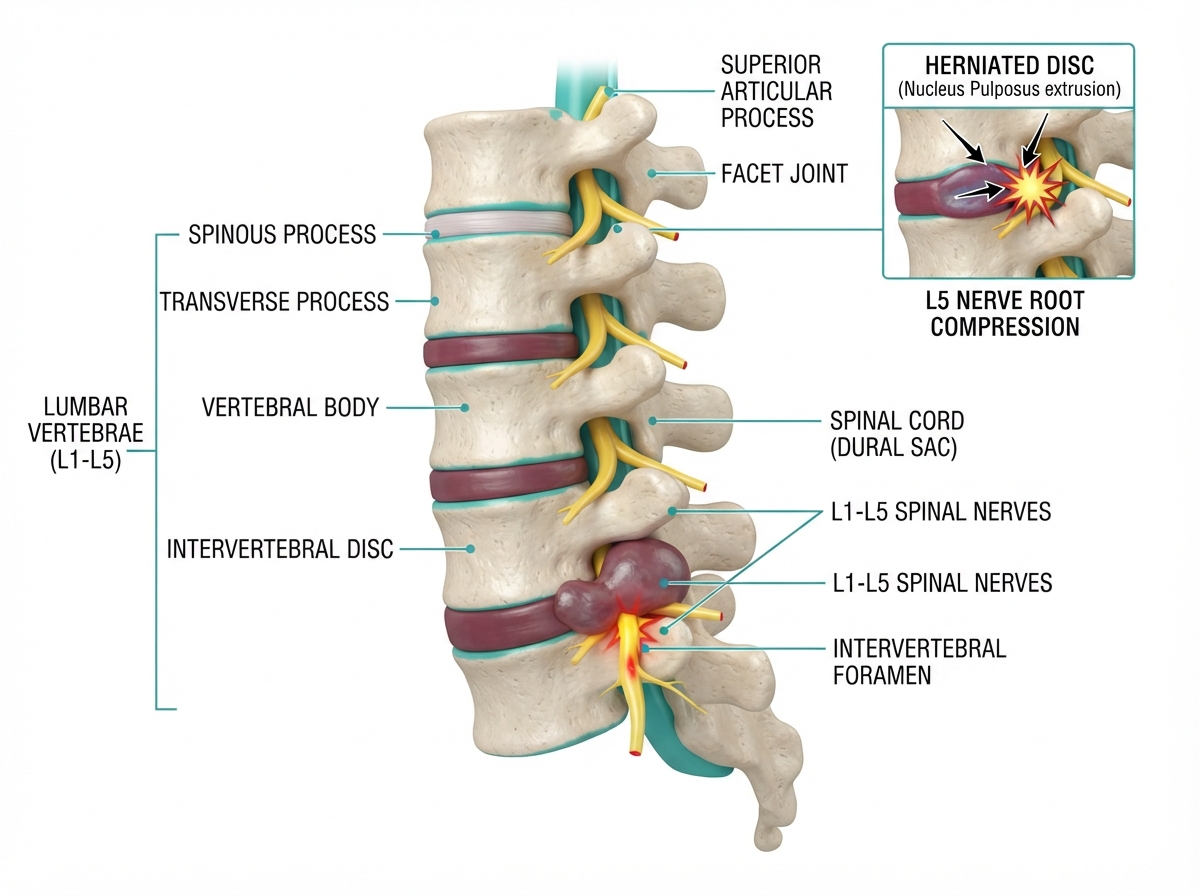
Your back is a mix of muscles, bones, discs, and joints, and any of them can be the source of pain. These are the causes Dr. Chris sees most often:
- •Muscle pain: Tight, overworked low back muscles are one of the most common problems. Long hours of sitting can tilt the pelvis forward and push the low back into a deeper arch, so those muscles work harder all day. That leads to knots and spasms. A sudden lift or twist can also pull a muscle.
- •Nerve pain: When the sciatic nerve gets pinched or irritated, pain can shoot from the low back down the back of the leg. This is called sciatica, and an estimated 10–40% of people deal with it at some point in their lives. A bulging disc pressing on the nerve is one of the most common causes.
- •Joint and disc pain: The discs between the bones of your spine can bulge, slip, or wear down over time, and the joints themselves can get stiff. Either one can cause pain that starts in the spine.
- •Fractures: A fracture in the low back can be very painful and slow to heal. If Dr. Chris suspects one, he'll order imaging and refer you to the right specialist before any adjustments.
Regions of the Spine
Your spine has 24 movable vertebrae, split into three regions. Knowing which region hurts helps Dr. Chris narrow down the cause.
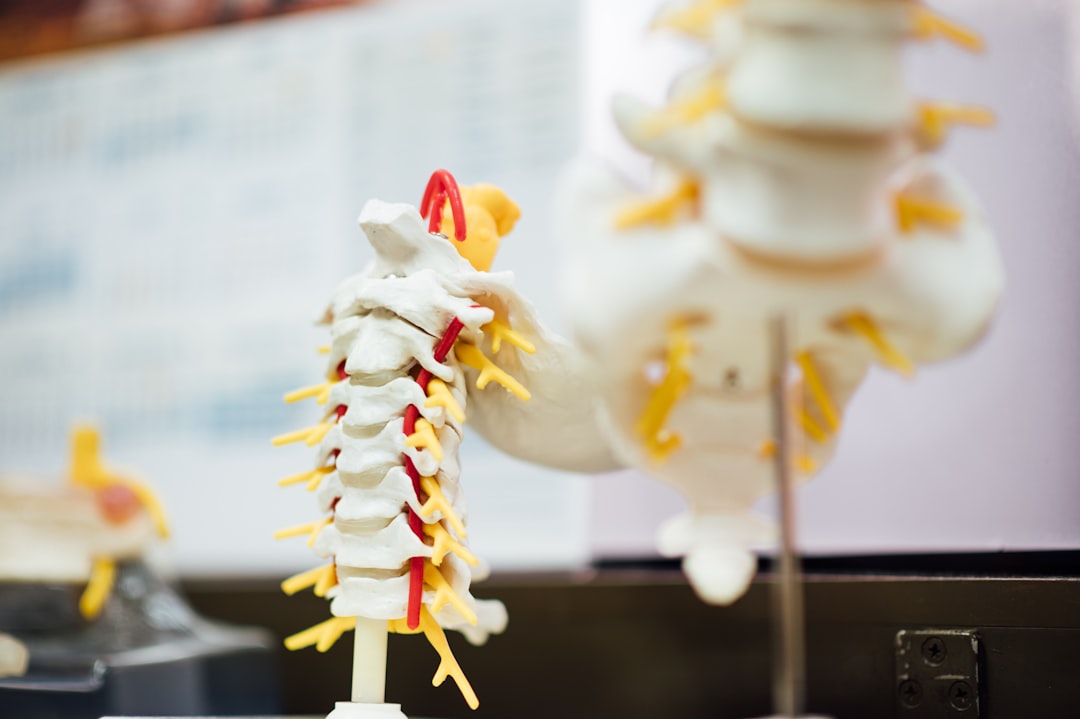
Cervical Spine
The cervical spine is your neck. Its 7 small vertebrae hold up your head and let you turn and nod. It also protects the spinal cord and the nerves that run to your shoulders and arms.
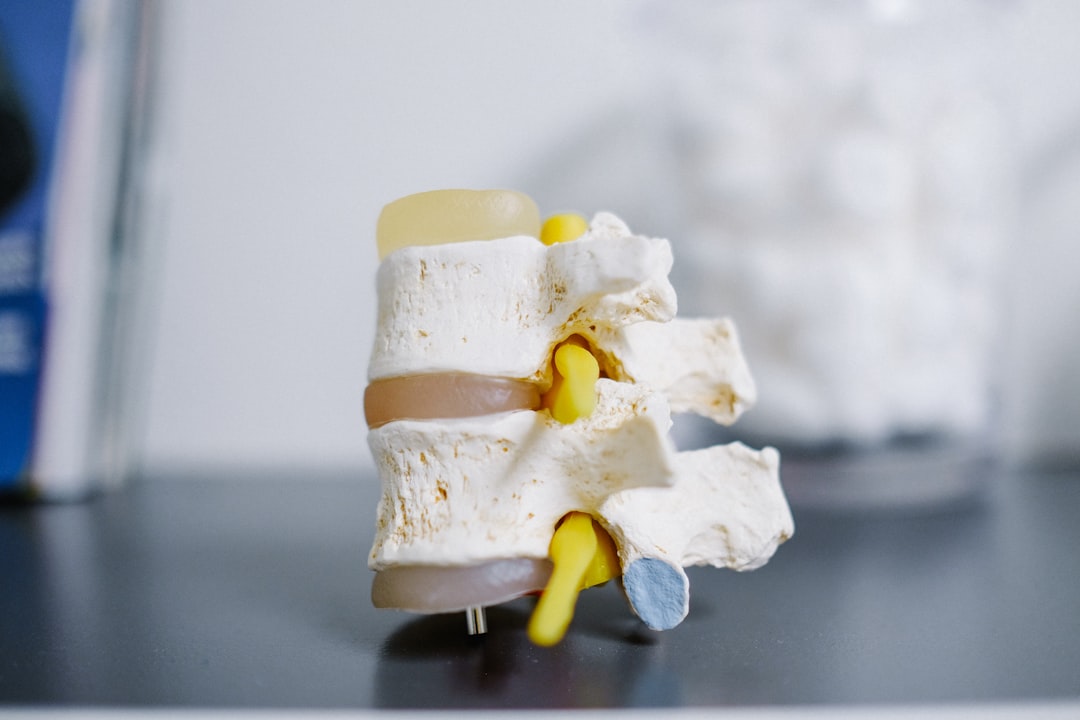
Thoracic Spine
The thoracic spine is your mid-back. Its 12 vertebrae connect to your ribs, protect your heart and lungs, and let you twist while keeping your upper body supported.
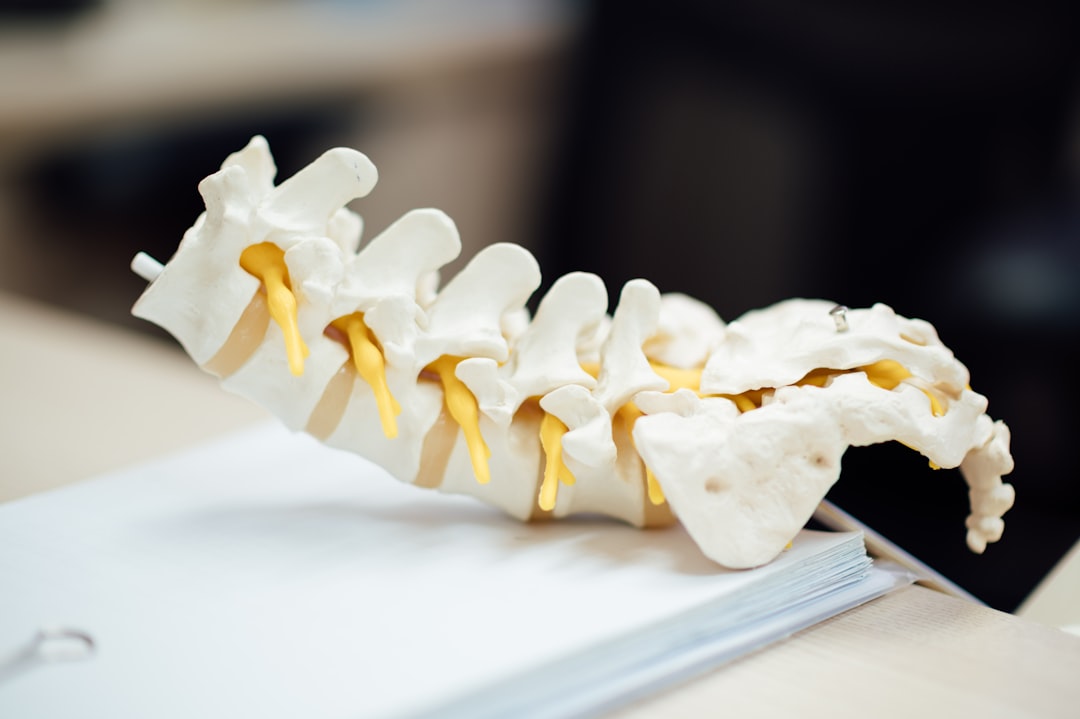
Lumbar Spine
The lumbar spine is your lower back. Its 5 large vertebrae carry most of your body weight and let you bend and lift. The nerves that run to your hips, legs, and feet branch off here.
Learn the difference between a bulging and herniated disc on our disc pain page.
How long will it take to feel better?
It depends on how long you've had the pain. A back that went out last week often feels noticeably better after one or two adjustments. Pain that built up over years of sitting, lifting, or an old injury usually takes a series of visits.
Think of it like braces. You may see a change quickly, but your teeth only stay in place with steady care over time. Your back works the same way. The first adjustments ease the pain, and the visits after that, along with the exercises Dr. Chris gives you, help keep it from coming back.
At your first appointment, he'll give you a realistic plan and check in on it as you go. If your back is slow to calm down, Meradith can talk with you about adding integrative care.
Does chiropractic provide immediate pain relief or long-term healing?
Many patients feel some relief after their very first adjustment. That's because restoring proper alignment takes pressure off irritated nerves and muscles, allowing the body to relax and move more freely. However, lasting healing takes time.
Back pain often develops from months or even years of poor posture, repetitive stress or old injuries. While a single adjustment can ease discomfort, consistent care retrains your spine and nervous system, strengthens supporting muscles, and helps prevent the problem from coming back.
Think of it like straightening teeth with braces: you may notice improvement quickly, but the real transformation happens with steady, long-term care. Chiropractic isn't just about short-term relief, it's about helping your body heal, function better, and stay that way.

Accepting New Patients
Ready to Feel Better?
Take the first step toward moving easier, feeling stronger and enjoying life more. Choose the care that's right for you and schedule your visit today.
Questions? Call 602-595-0015