
Phoenix Chiropractor
for Pain Relief
We treat new injuries, flare-ups, and pain that keeps coming back. Your plan can include medical care, chiropractic, or both.
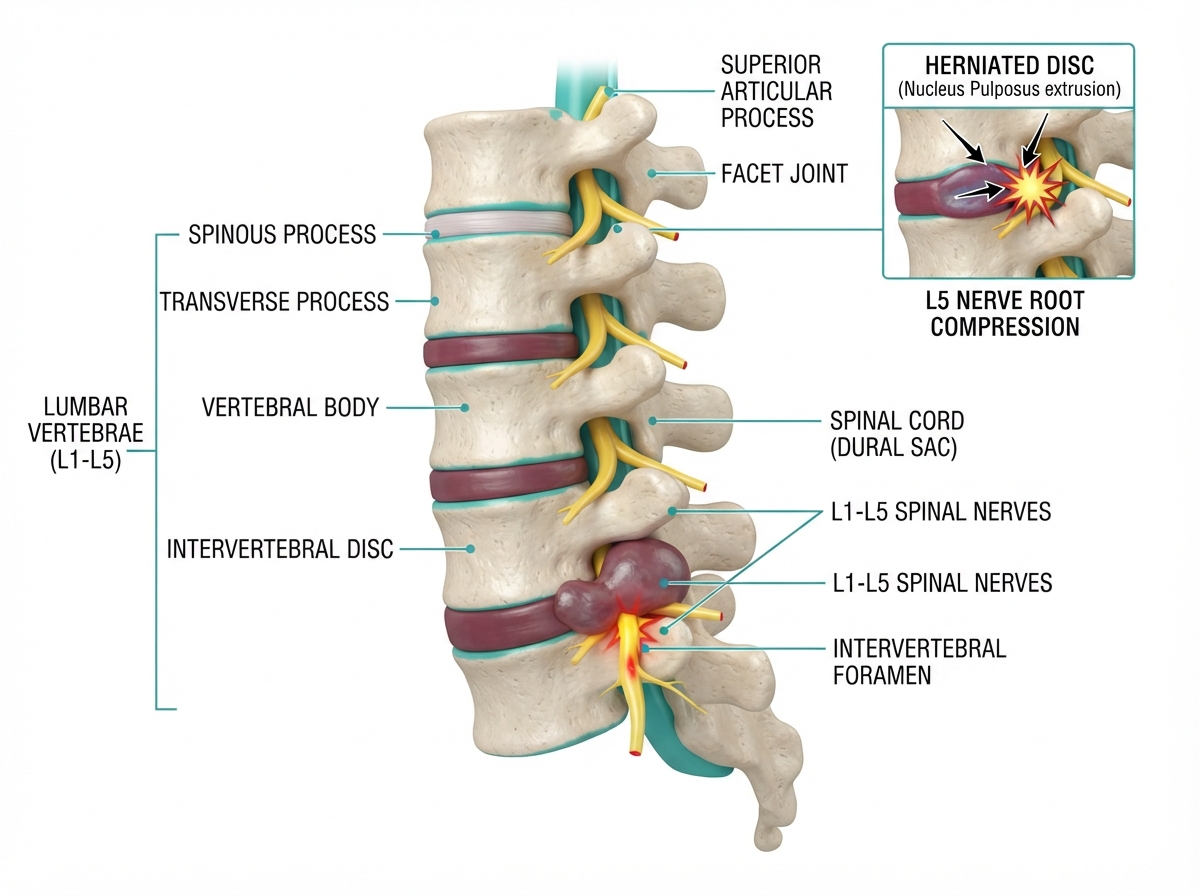
How chiropractic care relieves pain
A lot of pain is mechanical. A joint in your spine stops moving the way it should, the muscles around it tighten to protect it, and the nearby nerves get irritated. Pain pills can quiet that signal for a few hours, but the stuck joint is still there when they wear off.
Chiropractic adjustments get those joints moving again. Once the joint moves freely, the muscles can relax, the nerve has more room, and your body can do the healing it's already trying to do.
Some pain needs more than adjustments. When inflammation is part of the problem, Dr. Chris may refer you to Meradith McCortney, FNP-BC, right here in our office. Our integrative pain management page explains what she offers, including peptides, nutrition support, and short-term medication for acute pain.
Why inflammation matters, and how we address it
Inflammation isn’t all bad. Right after an injury, it’s how your body sends blood, immune cells, and repair materials to the damaged area. The problem is when it doesn’t shut off.
Inflammation that hangs around for weeks or months starts working against you:
- •Swelling takes up space and can press on nerves, especially in tight areas like the spine.
- •The chemicals released during inflammation make nerves more sensitive, so ordinary movements start to hurt.
- •Your muscles brace around the sore area, which limits how far you can move.
- •Inflamed tissue gets less steady blood flow and oxygen, so repairs take longer.
Bringing that inflammation down breaks the cycle. With less swelling and less pain, you can move more. Movement brings fresh blood to the area, which helps it heal. Adjustments also tend to hold better when the tissue around the joint isn’t swollen and tight.
That’s why, for some patients, Dr. Chris may recommend integrative medicine protocols alongside adjustments. These can include IV therapy, which delivers fluids, vitamins and minerals directly into the bloodstream, and peptide therapy, which may help support tissue repair and a healthier inflammatory response. Both are provided by Meradith McCortney, FNP-BC, our in-house nurse practitioner. They aren’t for everyone. Dr. Chris will tell you whether they make sense for your situation.
Chiropractic care vs. opioids
Opioids can be the right call after surgery or a serious injury. For everyday back and neck pain, though, they come with real downsides: drowsiness, constipation, and the risk of dependence. They also don’t change what’s causing the pain.
Research has found that people who see a chiropractor for back pain are much less likely to fill an opioid prescription. Many of our patients come in hoping to cut back on pain medication. With their doctor’s guidance, a lot of them do.
New injury or long-term pain? We treat them differently.
If the pain is new (a recent injury or a sudden flare-up), the first goal is to calm things down. That means gentle adjustments, soft tissue work, and advice on what to avoid for a little while so the area can heal properly the first time.
If the pain keeps coming back, something is driving it. It might be a joint that doesn’t move well, a weak link that makes other areas overwork, how you sit at your desk, or how you lift. We find that pattern and work on changing it so the pain doesn’t keep returning.

Conditions we help with
- •Neck, mid-back, and low back pain
- •Sciatica and pinched nerves
- •Headaches that start in the neck
- •Shoulder, elbow, wrist, and hand pain
- •Hip, knee, ankle, and foot pain
- •Muscle strains, tendon irritation, and stiff joints
- •Pain from desk work and "tech neck"
- •Recovery from sports, work, and slip-and-fall injuries
What you do between visits matters too
The adjustments we do in the office are only part of it. As you improve, Dr. Chris will add simple exercises, plus walking, swimming, or basic strength work. Regular movement releases endorphins, your body’s own pain relievers, and builds the strength that keeps pain from coming back.
At home, heat or ice can settle a flare-up. Good sleep matters more than most people think, because sleep is when most tissue repair happens. We’ll also talk about hydration and eating to bring inflammation down: more colorful fruits and vegetables, more omega-3s from fish, nuts, or seeds, and fewer ultra-processed foods.
How soon will I feel relief from pain?
Some patients feel a difference after their first adjustment. For others it takes a few visits. Dr. Chris went through a long recovery himself after a serious ankle injury, so he won't rush you or overpromise. At your first visit, he'll tell you what to expect, then check your progress at every appointment after that.
Why choose chiropractic for pain management?
Chiropractic care doesn't involve drugs or surgery. Dr. Chris works on the joint or movement problem behind your pain instead of just quieting it for a few hours. If inflammation is slowing your recovery, Meradith can add medical support in the same office. Many of our patients use less pain medication as they improve, with their doctor's guidance.

Accepting New Patients
Ready to Feel Better?
Take the first step toward moving easier, feeling stronger and enjoying life more. Choose the care that's right for you and schedule your visit today.
Questions? Call 602-595-0015